
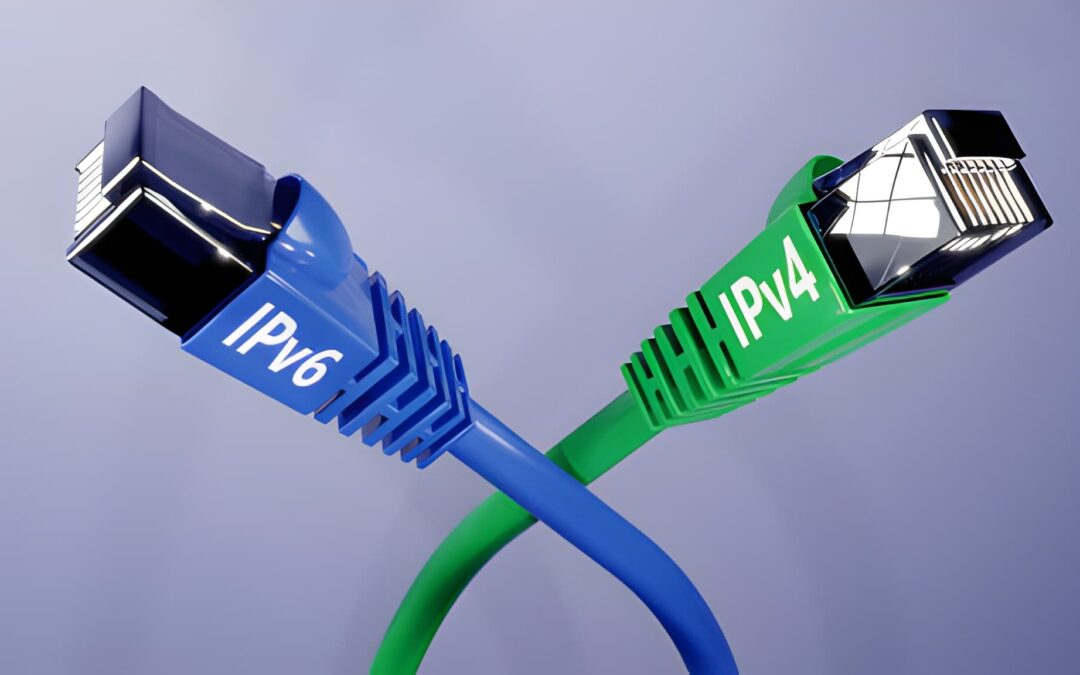
Why IPv4 Addresses Are Still Valuable in 2026
Even fifteen years after the free pool of IPv4 addresses was exhausted, IPv4 remains one of the most strategically important digital assets in global network infrastructure. Despite ongoing adoption of IPv6 and a growing recognition of the next-generation Internet Protocol, IPv4 addresses continue to command real value in 2026, not just as technical necessities, but as marketable, finite resources with real economic impact.
The Reality of IPv4 Scarcity
IPv4 was originally designed to support a maximum of about 4.3 billion unique addresses. This was an amount that once seemed more than enough for a fledgling Internet. Over time, explosive growth in connected devices, mobile networks, cloud services, and internet-enabled applications consumed most available address. By 2011, the remaining public IPv4 address blocks had been fully allocated to regional registries, marking the end of free allocations. Since then, IPv4 addresses have circulated through buyer-to-buyer transfers and secondary markets, often with the help of brokers like IPTrading.
Once supply is exhausted, scarcity drives value. With no new IPv4 space to allocate, organizations that need additional addresses must obtain them through transfers, leases, or purchases.
Demand Is Still Very Much Alive in 2026
IPv6 was designed to solve the address scarcity problem. Although this was the case, adoption has been gradual and uneven. Many legacy systems, enterprise platforms, customer-facing services, and third-party integrations still depend on IPv4. In practice, this means that an organization’s ability to communicate seamlessly across the Internet still often hinges on IPv4 connectivity, even if it has adopted IPv6 internally.
Across industries, from cloud providers and content delivery networks to enterprises with hybrid environments, IPv4 remains essential for compatibility, reachability, and uninterrupted service delivery. This ongoing reliance keeps demand high, supporting a healthy market for IPv4 transactions.
At the same time, demand dynamics are shaped by modern tech trends. The explosive growth of Internet-of-Things (IoT) devices, always-on cloud services, and large-scale hosting environments means that organizations frequently need extra IPv4 space to support growth and connectivity. This persistent demand feeds directly into market value for IPv4.
Market Dynamics: Why IPv4 Commands Value
The IPv4 market today looks very different from what it was a decade ago. Instead of central allocation from a registry, the market functions much like any other secondary market. Pricing reflects supply and demand, block size, regional specifics, reputation of the block, and broader economic conditions.
Because there’s no new supply being created, IPv4 transfers must be conducted through compliant processes managed by brokers or platforms like IPTrading. Experienced brokers help ensure that transfers meet the technical and regulatory requirements of the regional Internet registries, while also connecting buyers and sellers in a competitive marketplace.
It’s also worth noting that IPv4 addresses aren’t just practical tools. These have become tradable digital assets. Organizations that don’t need their IPv4 holdings can list them on marketplaces like the IPTrading Post, where buyers can browse available blocks for sale or lease.
Strategic Implications for Businesses
For organizations balancing current network needs with long-term planning, IPv4 addresses represent both an operational tool and a financial asset. Deciding when to hold, sell, lease, or acquire IPv4 space isn’t just a technical decision. This is a strategic decision that benefits from proactive decision-making. Visit our FAQ for answers to general questions on strategic IPv4 implications.
Companies that proactively manage their IP portfolios have more flexibility to scale their networks, optimize costs, and respond to emerging connectivity demands. With IPv6 adoption still evolving and full migration timelines varying widely by region and industry, IPv4 remains an essential part of the internet infrastructure mix. This is unlikely to change anytime soon.
A Valuable Resource, Even Now
In the digital economy of 2026, the value of IPv4 addresses extends far beyond their original technical purpose. Scarcity, ongoing demand, and the lack of new allocations have turned IPv4 space into a durable digital commodity, a commodity that continues to shape strategic decisions for networks of all sizes.
Through trusted marketplaces and expert broker support, organizations can navigate this landscape with confidence, ensuring they make the most of their IPv4 assets. Contact us for your buying, selling, leasing, or general inquiries.

Avoiding IP Address Fraud in 2026: New Threats & How to Defend
Avoiding IP Address Fraud in 2026: New Threats & How to Defend As we enter 2026, IP address...

IPv4 Demand: The Top Industries in 2026
Why IPv4 Still Matters IPv4 powers the majority of internet traffic today. Many networks,...

Case Study: How Sanford Health Expanded Its IPv4 Capacity to Support a Growing Healthcare Network
Overview Sanford Health is one of the largest healthcare systems in the Upper Midwest,...